



Self-guided, in plain terms
A self-guided cycling holiday means you cycle the route on your own, at your own pace, without a guide riding alongside you — but everything else is organised for you in advance. Your accommodation is booked, your route is mapped out, your luggage travels ahead of you to your next accommodation, and support is a phone call away if anything goes wrong.
In short: you get the freedom of independent travel, without the logistics.
How it's different from a guided tour
On a guided tour, a guide leads a group of cyclists along the route each day, usually at a shared pace. It's sociable and structured, but it also means fixed daily distances, a group schedule, and less flexibility to stop where and when you like.
On a self-guided trip, you decide:
- What time you start each day
- How long you linger at a café, a château, or a viewpoint
- Whether you take a detour to a town that catches your eye
- Your own pace, whether that's steady and relaxed or a bit more ambitious
You're never navigating blind, though — which brings us to the next point.

What's actually included
A well-organised self-guided trip takes care of the parts that would otherwise take hours of planning:
Route directions
You'll receive a day-by-day route, usually through a navigation app (we use our own app, GUIBO, which works offline — useful in rural France where signal isn't always reliable). Turn-by-turn directions mean you're never guessing at a junction.
Accommodation
Hotels or guesthouses are booked for you along the route, selected for being comfortable, well-located, and used to welcoming cyclists.
Luggage transfer
You cycle with just a light daypack, while your main luggage is transferred ahead to your next accommodation.
Bike rental (optional)
If you don't want to bring your own bike, a hybrid or electric bike is arranged and waiting for you, sized to fit you.
Support
A local emergency number is available throughout your trip.
What's not included: a guide walking you through the sights step by step, or a group you're required to keep pace with. You're independent — but never unsupported.
Who it's for
This is probably the most common misconception: self-guided doesn't mean "for experienced cyclists only."
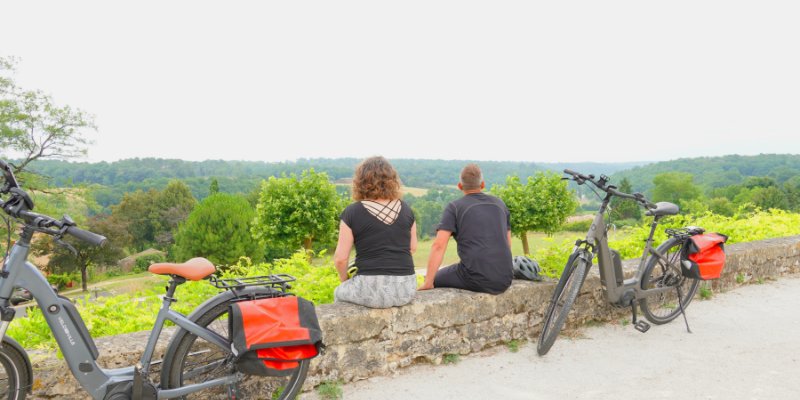
Routes are graded by difficulty, from flat, easy-paced rides along rivers and canals — well-suited to beginners, families, and anyone easing back into cycling — through to longer, hillier routes for those who cycle regularly. Electric bikes are available on request, which levels the playing field further when a couple or family has mixed fitness levels.
Trips are also built for a wide range of ages. Whether you're planning a first cycling trip with your kids or a couple in your sixties looking for a well-organised active break, there's a route pitched at the right level.
What a typical day looks like
There's no fixed formula, but most days follow a similar rhythm:
- Breakfast at your accommodation, at whatever time suits you
- Leave your luggage at reception before 9am, ready for transfer to your next stop
- Check the day's route on the app — distance, terrain, points of interest along the way
- Cycle at your own pace, with stops for lunch, a coffee, a detour, or a photo whenever you want one
- Arrive at your next accommodation later in the afternoon, where your luggage is already waiting
- Explore the town, have dinner, and rest up for the next stage
Self-guided vs. guided: which one is right for you?
| Self-guided | Guided | |
| Pace | Your own | Group pace |
| Flexibility | High — detours, timing, stops all up to you | Fixed schedule |
| Company | Just your travel group | A wider group + guide |
| Cost | Generally lower | Generally higher |
| Best for | Independent travellers, couples, families | Those who prefer company and don't want to navigate at all |
If the idea of cycling at your own pace, stopping when something catches your eye, and still having the logistics handled sounds right for you, self-guided is very likely the better fit.
Popular self-guided routes in France
A few of the best-known self-guided cycling routes we organise:
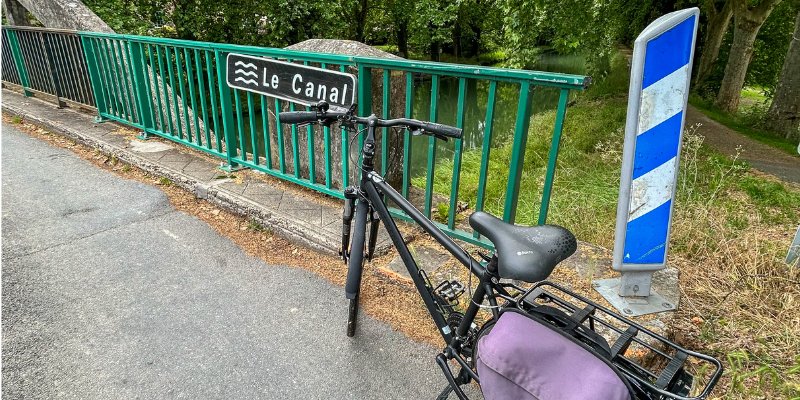
- Canal du Midi — a UNESCO waterway from Toulouse to the Mediterranean, flat and shaded, well suited to beginners.
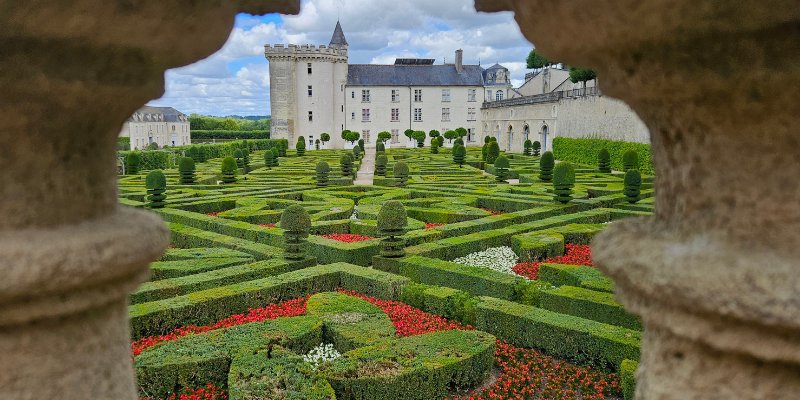
- Loire Valley — castles, vineyards, and gentle riverside cycling through one of France's most famous regions.
- ViaRhôna — 815km along the Rhône from Lake Geneva to the Mediterranean, ridable in full or in stages.
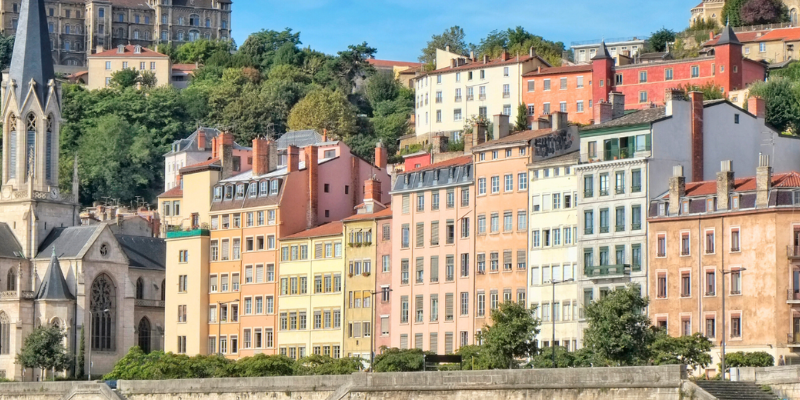
- Vélo Francette — a north-south route connecting Normandy to the Atlantic coast.
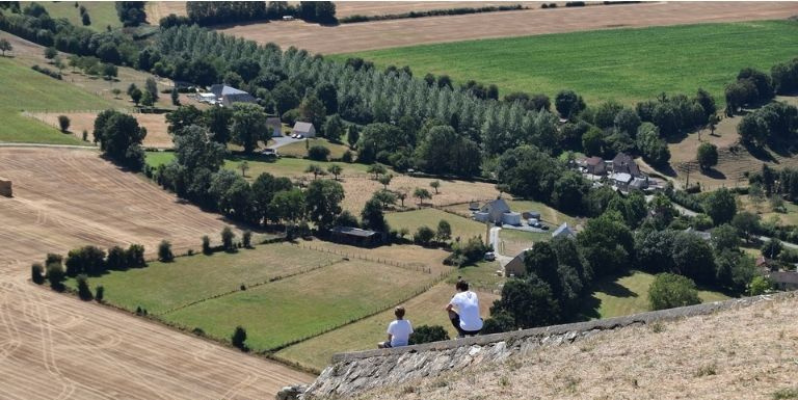
- Le Puy Camino (Via Podiensis) — a historic pilgrimage route through the Massif Central, for those after a more demanding, spiritual ride.
Frequently asked questions
Do I need to be an experienced cyclist?
No. Routes range from easy, flat rides to more challenging ones, and difficulty levels are clearly marked so you can choose what suits you.
What if I get lost or have a problem with my bike?
You'll have route directions via the app and a support number to call. You're independent, not unsupported.
Can I bring my own bike?
Yes — or you can rent one from us, including electric bikes, sized and ready for you at your first hotel.
Is it more affordable than a guided tour?
Generally, yes, since you're not paying for a guide's time and a fixed group itinerary.