



France has more good cycling routes than any one trip could cover — rivers, canals, coastline, vineyards, a mountain pilgrimage route. So instead of trying to crown a single "best" one, here's an honest roundup of six routes we organise, what makes each one distinct, and who it tends to suit.
1. Canal du Midi — for easy, shaded riding with a UNESCO backdrop
The Canal du Midi runs from Toulouse toward the Mediterranean, with the towpath doing most of the work: flat, largely traffic-free, and shaded by the plane trees that line the water for long stretches. Along the way you pass through Carcassonne, with its walled medieval city rising above the plain.
- Best for: beginners, families, scenery without the climbing Difficulty: Level 1 (Easy)
See our Canal du Midi trip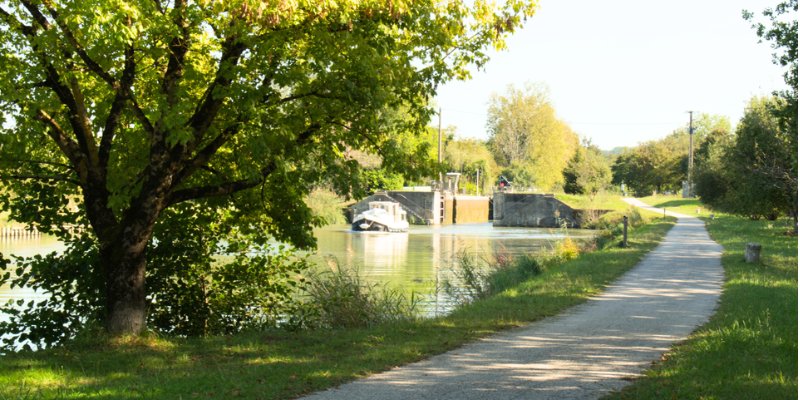
2. The Loire Valley — for castles, vineyards, and gentle riverside cycling
The Loire Valley is where "cycling holiday" and "château tour" overlap. Routes follow the river past Chambord, Chenonceau, and Amboise, through vineyard country, on largely flat, well-marked paths.
- Best for: couples and culture-focused travellers Difficulty: Level 1–2
See our Loire Valley trips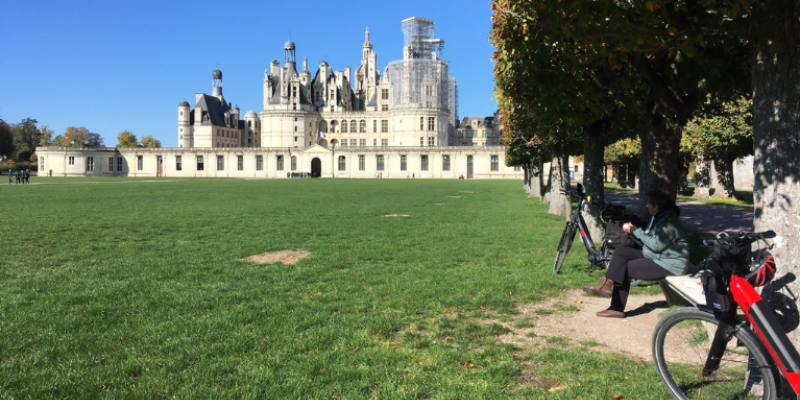
3. The Dordogne / Périgord — for prehistoric sites and serious food
Based just down the road from our own office in Monpazier, the Dordogne is cycling through prehistoric cave sites, fortified villages (bastides), and clifftop castles like Beynac and Castelnaud — with a regional food and wine reputation that more than holds its own.
- Best for: cycling that doubles as a food-and-culture trip Difficulty: Level 1–3
See our Dordogne trips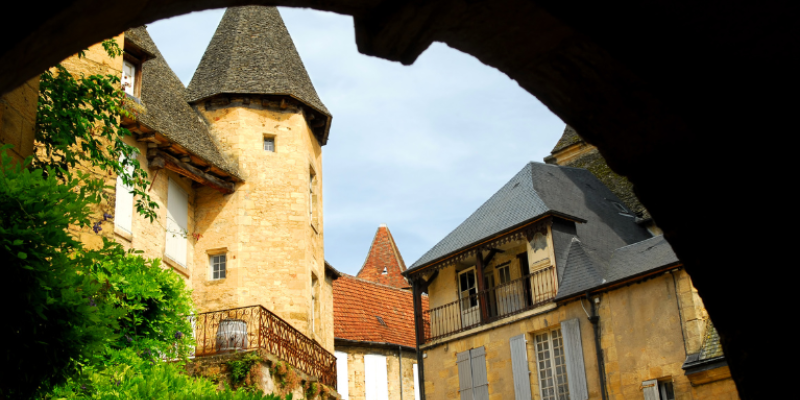
4. The ViaRhôna — for a long-distance route with variety built in
The ViaRhôna runs 815km from Lake Geneva to the Mediterranean, following the Rhône through vineyards, historic Lyon, and Provençal landscapes further south. You can ride it in full or take on a shorter stage — the route is well set up for both.
- Best for: a proper long-distance route without committing to it all Difficulty: Level 2–3 (varies by stage)
See our ViaRhôna trips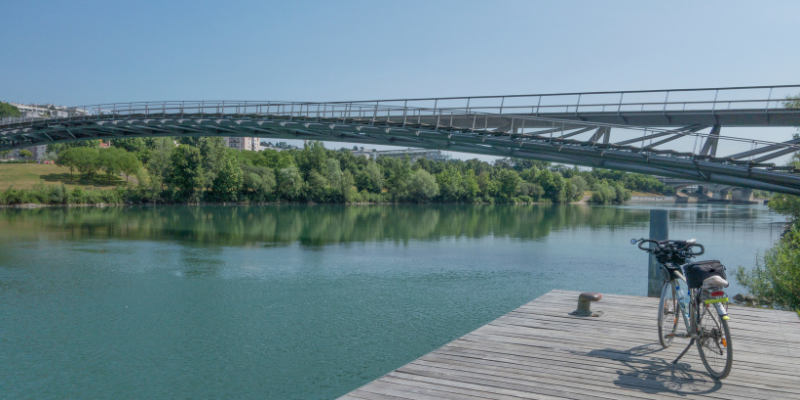
5. The Vélo Francette — for a full coast-to-coast crossing
Starting at Normandy's D-Day beaches near Ouistreham, the Vélo Francette runs over 600km south through the Mayenne valley, Angers, and the Loire, into the marshlands of Poitou-Charentes, finishing near the Atlantic coast at La Rochelle. It's largely flat, following rivers and canals for most of its length — a route built for steady, unhurried riding rather than climbing.
- Best for: a genuine point-to-point journey through several regions Difficulty: Level 1–2 for most stages
See our Vélo Francette trips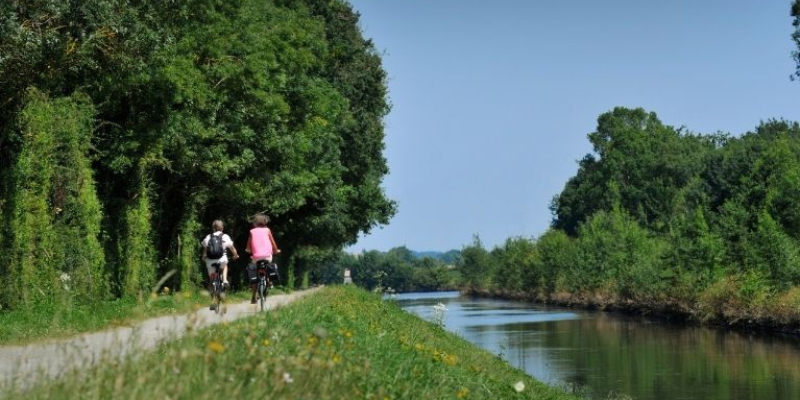
6. The Le Puy Camino (Via Podiensis) — for a more demanding, reflective ride
The historic pilgrim route from Le Puy-en-Velay toward Saint-Jean-Pied-de-Port, on the way to Santiago de Compostela, crosses the hills of the Massif Central. It's the most physically demanding route on this list, and also the most distinct in character — centuries of pilgrims have walked it, and cycling it has a different rhythm to a typical holiday route.
- Best for: experienced cyclists wanting a real challenge Difficulty: Level 3–4
See our Le Puy Camino trips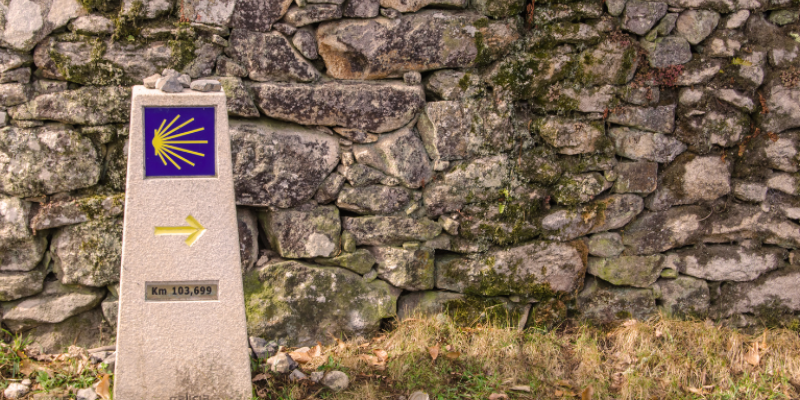
So, which one is actually "best"?
- New to cycling holidays, or travelling with kids? Start with the Canal du Midi or the Loire Valley.
- Want food and culture as much as cycling? The Dordogne.
- Want a proper long-distance journey? The ViaRhôna or the Vélo Francette.
- Want a real physical and historical challenge? The Le Puy Camino.
All six are self-guided, meaning your accommodation, luggage transfer, and route directions are arranged for you — you just cycle. If you're not sure which fits your fitness level or the time you have, get in touch and we'll help you find the right match.